Salvador is not a city defined by a single attraction, but by a cultural atmosphere that unfolds across different layers.
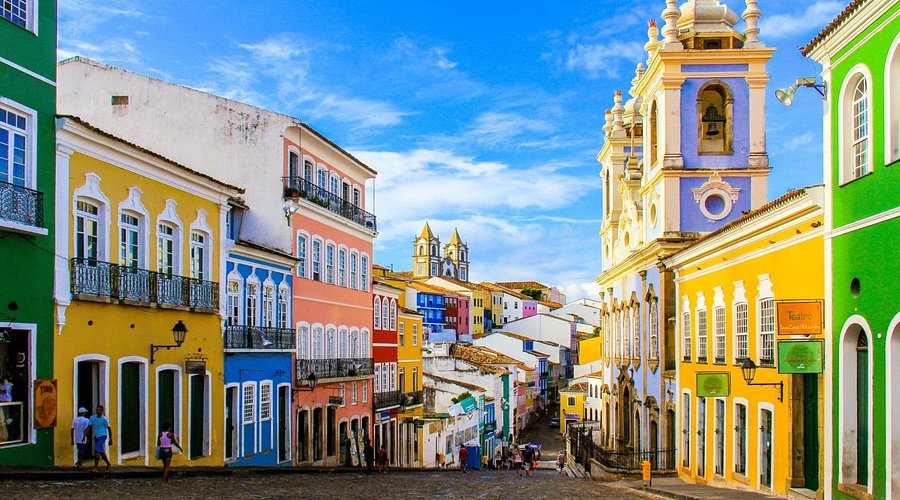
Start in Pelourinho. The historic center introduces the city’s architectural and cultural foundation, where colonial structures meet Afro-Brazilian expression through music, food, and movement.
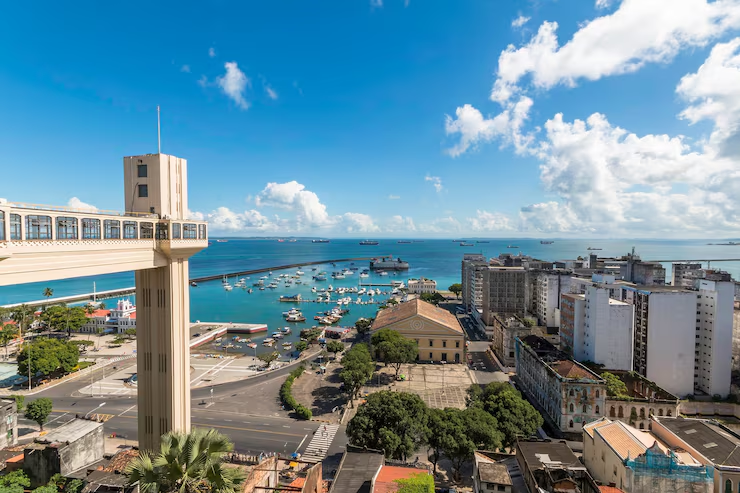
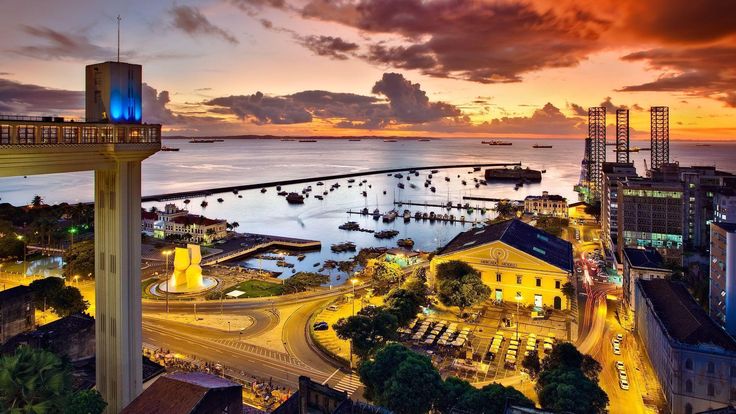
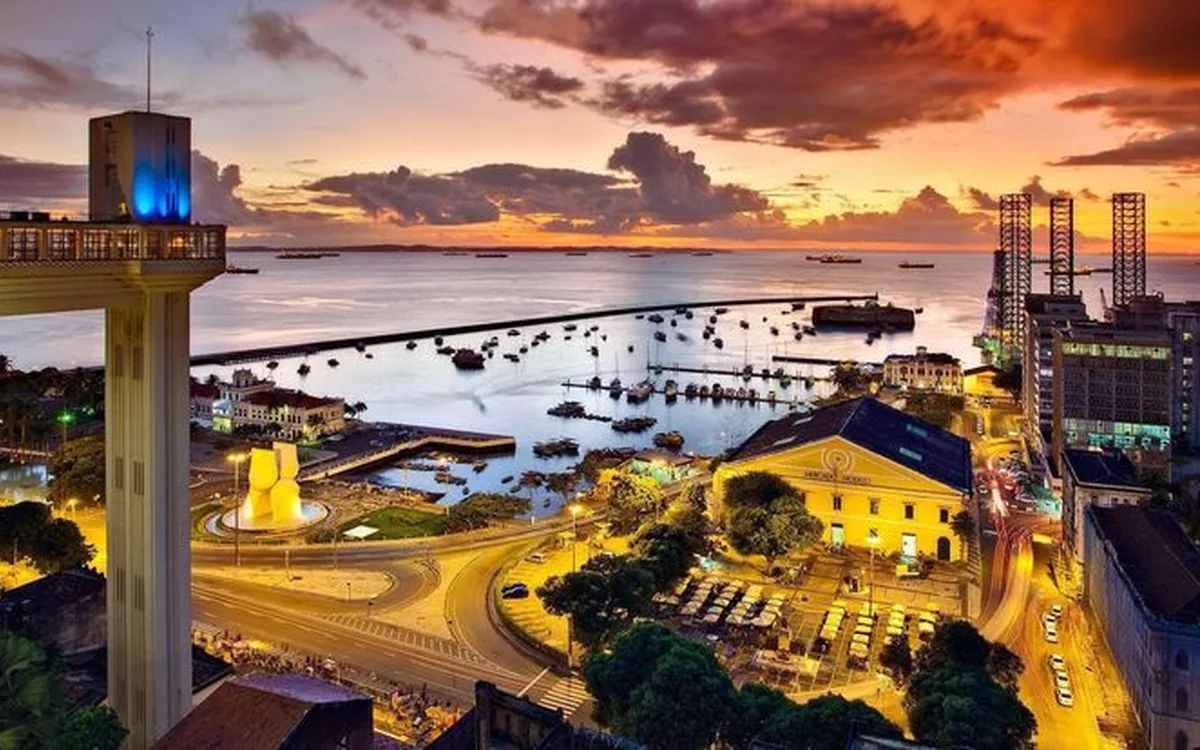
From there, understand the city’s geography. The Elevador Lacerda connects the upper and lower levels, offering a perspective that explains how Salvador is structured between elevation and coastline.
Then move outward. The beaches shift the experience entirely. Farol da Barra offers one of the most iconic settings, while Itapuã brings a slower, more local rhythm.
But what defines Salvador most is not where you go, but what you experience. Music is constant, whether in organized performances or spontaneous street moments. Food reflects a deep cultural heritage, with flavors shaped by African influence.
Timing shapes the experience. Mornings reveal the city’s structure, while late afternoons and evenings bring energy and movement.
Salvador is not a place to rush. It is a place to absorb — where history, culture, and daily life are inseparable.
To experience it well is to move between its layers, understanding not just what to see, but how it feels.