Some places preserve history. Pelourinho lives it.
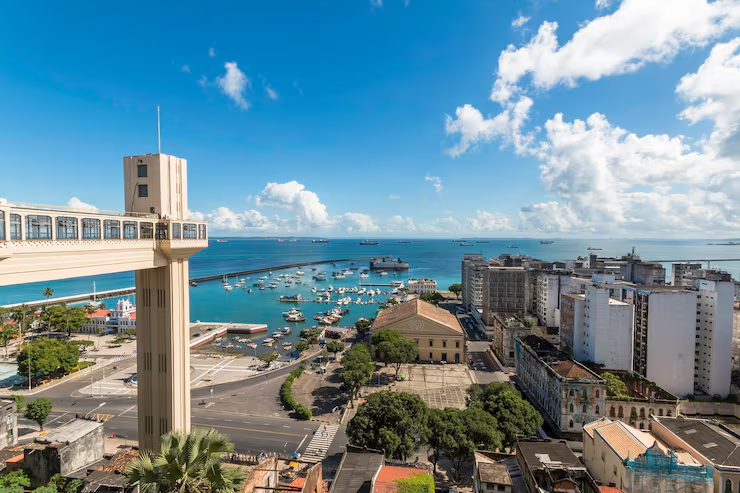
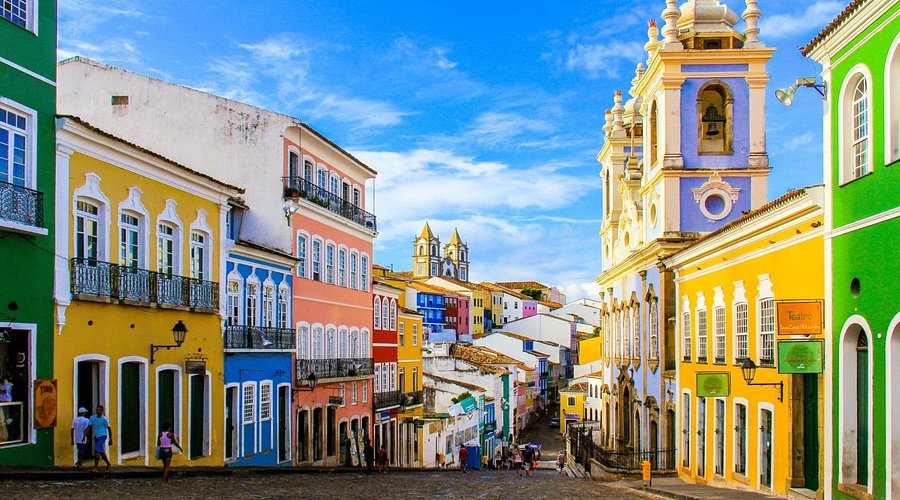
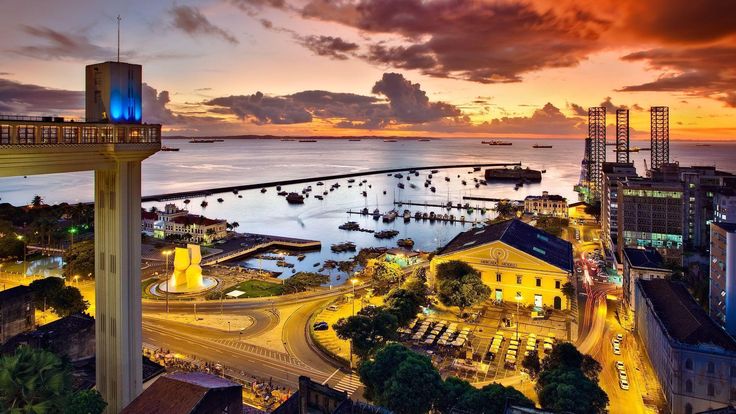
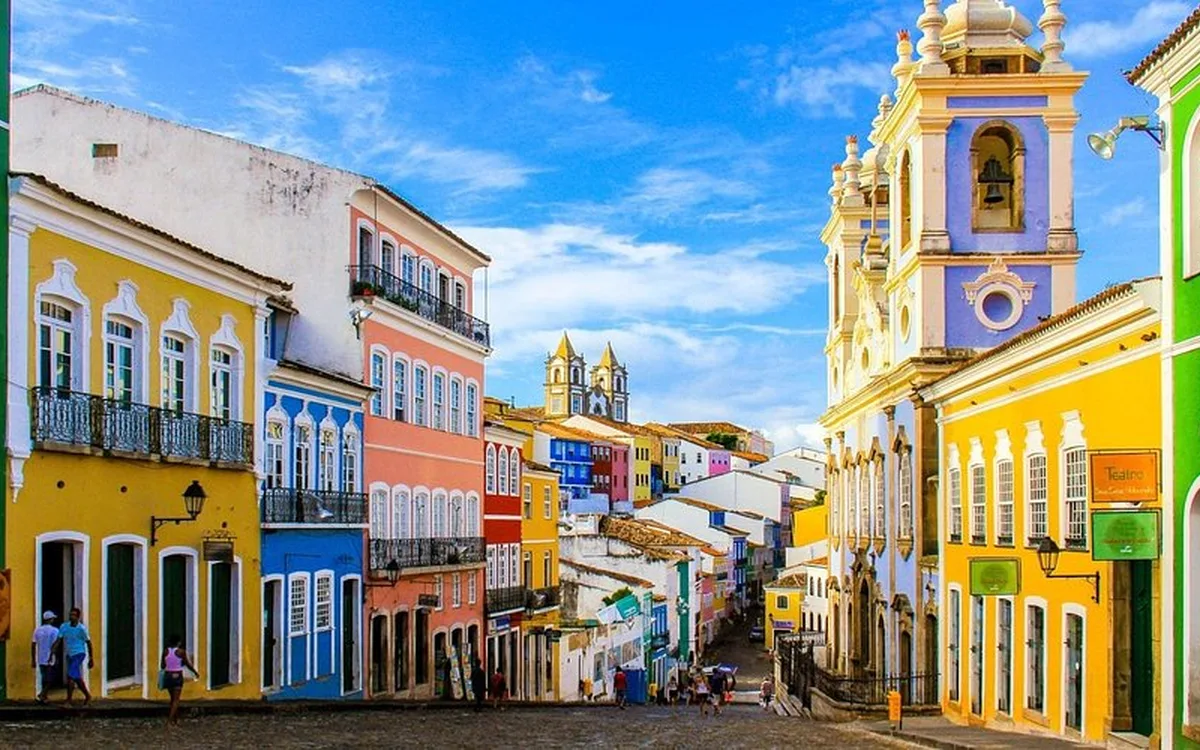
Set in the upper city of Salvador, this UNESCO World Heritage site is defined by its colorful colonial buildings, baroque churches, and a rhythm that moves through its streets at all hours. The architecture tells one story — of Brazil’s colonial past — while the atmosphere tells another, shaped by Afro-Brazilian culture, music, and everyday life.
Walking through Pelourinho is less about following a route and more about allowing the city to unfold. Drums echo from nearby squares, capoeira circles form without warning, and doorways open into galleries, cafés, and hidden courtyards.
The Igreja de São Francisco stands out as one of the most striking landmarks, its interior covered in gold leaf — a reminder of the wealth that once flowed through the city. But Pelourinho is not defined by a single monument. Its identity comes from the combination of architecture and culture, past and present existing simultaneously.
Timing matters here. Early mornings offer a quieter perspective, revealing the structure of the place. Later in the day, the energy builds, and Pelourinho becomes what it is meant to be — vibrant, expressive, and unmistakably Salvador.
It is not just the historic center of the city. It is its cultural core.