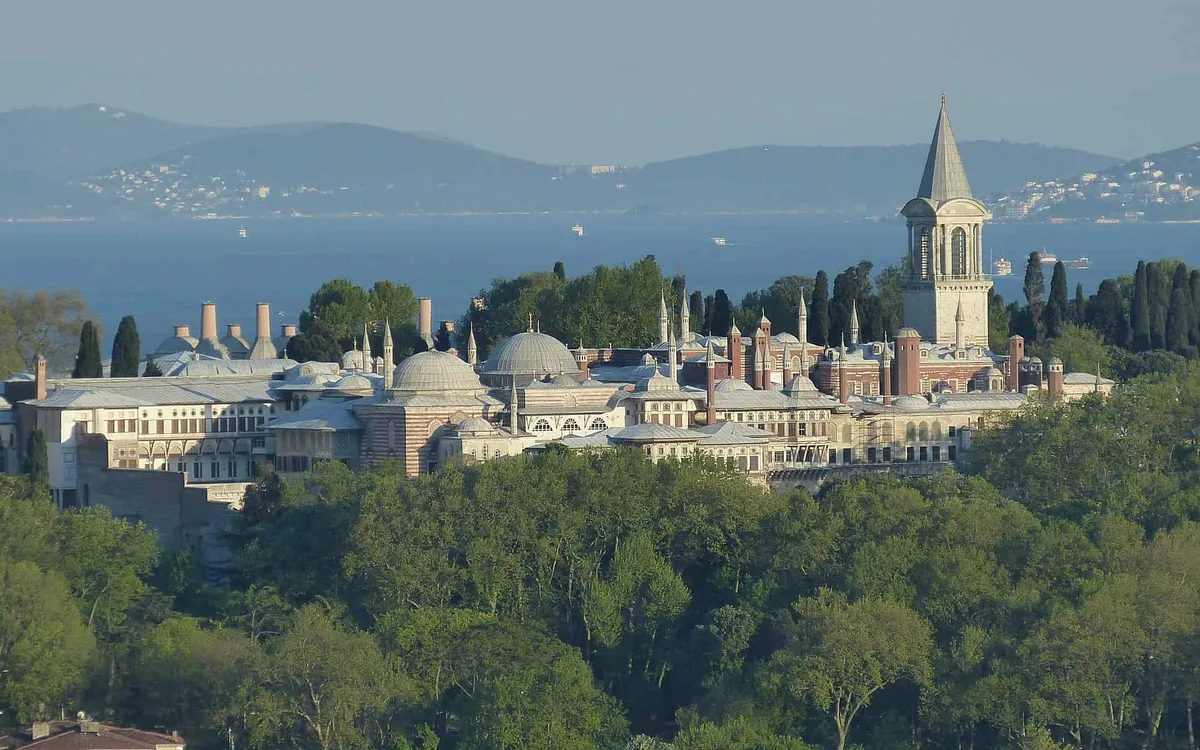
For nearly 400 years, Topkapi Palace was the center of power in the Ottoman Empire. More than a royal residence, it functioned as a political, administrative, and cultural hub.
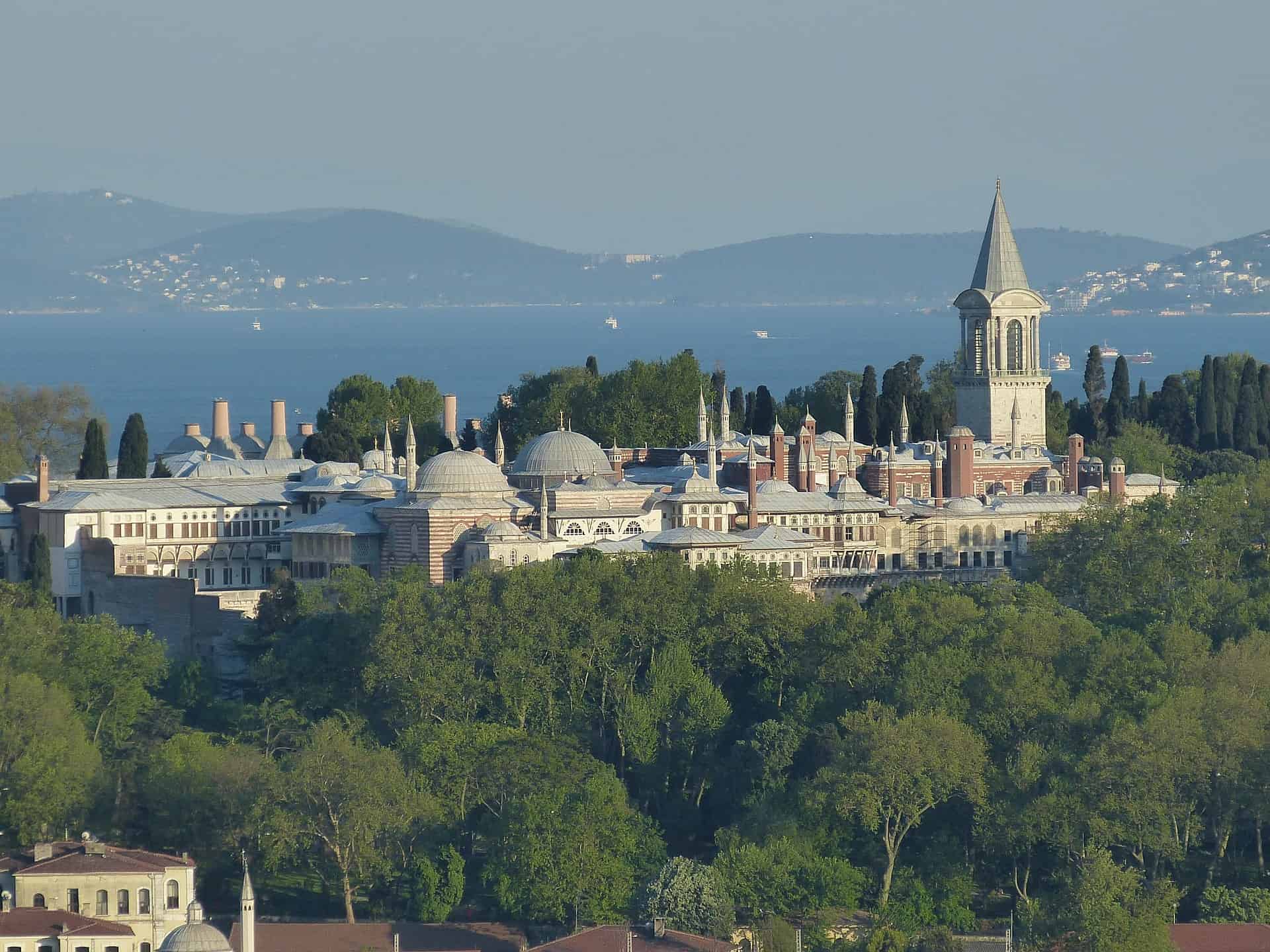
Unlike European palaces built as single monumental structures, Topkapi is composed of courtyards, pavilions, and gardens. This layout reflects a different concept of power — one that unfolds gradually rather than imposing itself immediately.
Walking through the palace is a layered experience. Each courtyard leads to more private spaces, culminating in areas once reserved for the sultan and his inner circle.
The Harem, often misunderstood, was not simply a domestic space but a central part of palace life, with its own hierarchy and influence.
From the terraces, views of the Bosphorus reinforce the palace’s strategic position between continents.
Topkapi Palace is not just about luxury. It is about understanding how an empire was structured, lived, and sustained.