Few buildings in the world carry as much history as Hagia Sophia. Built in the 6th century as a cathedral, later transformed into a mosque, then a museum, and once again a mosque, it reflects the layered identity of Istanbul itself.
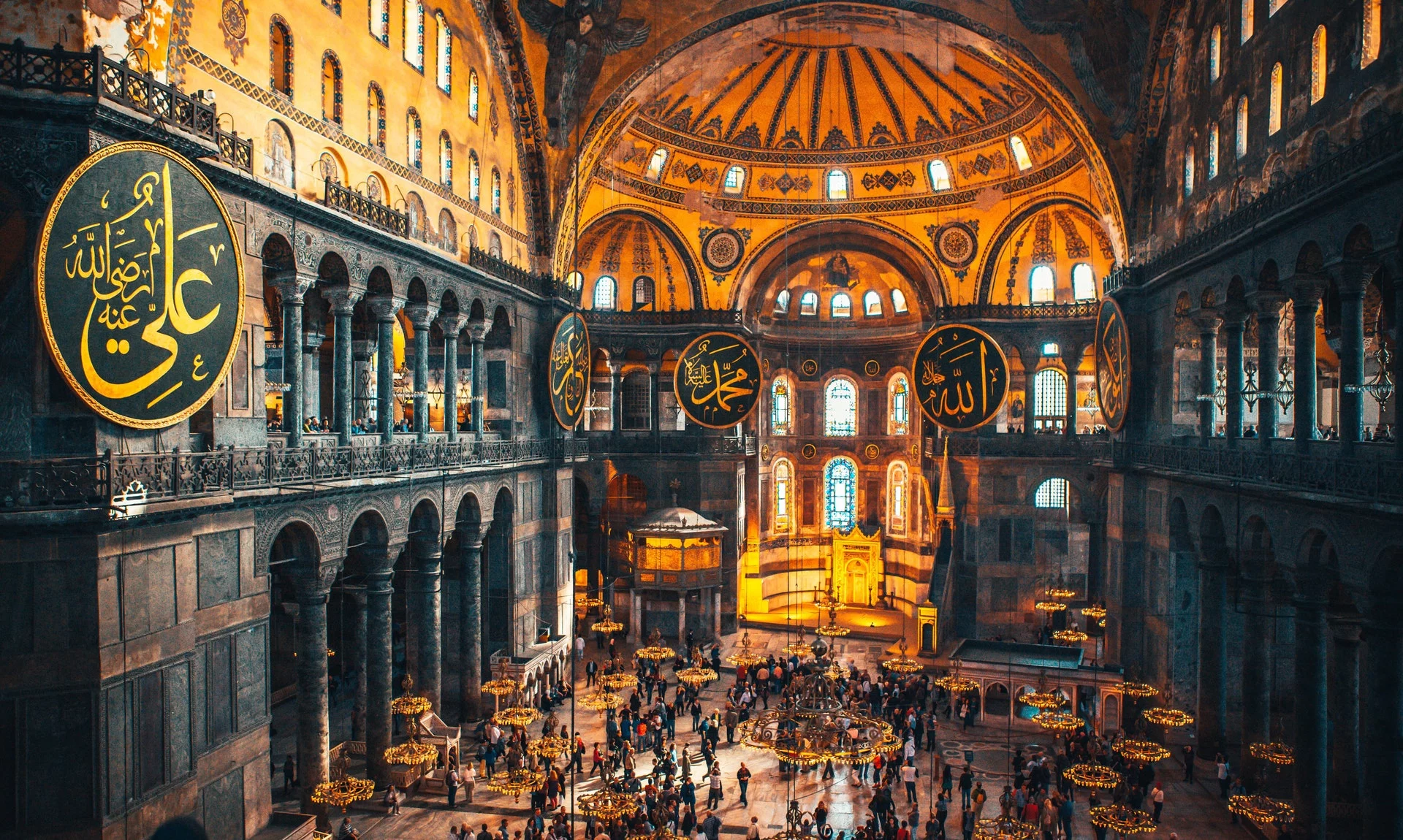
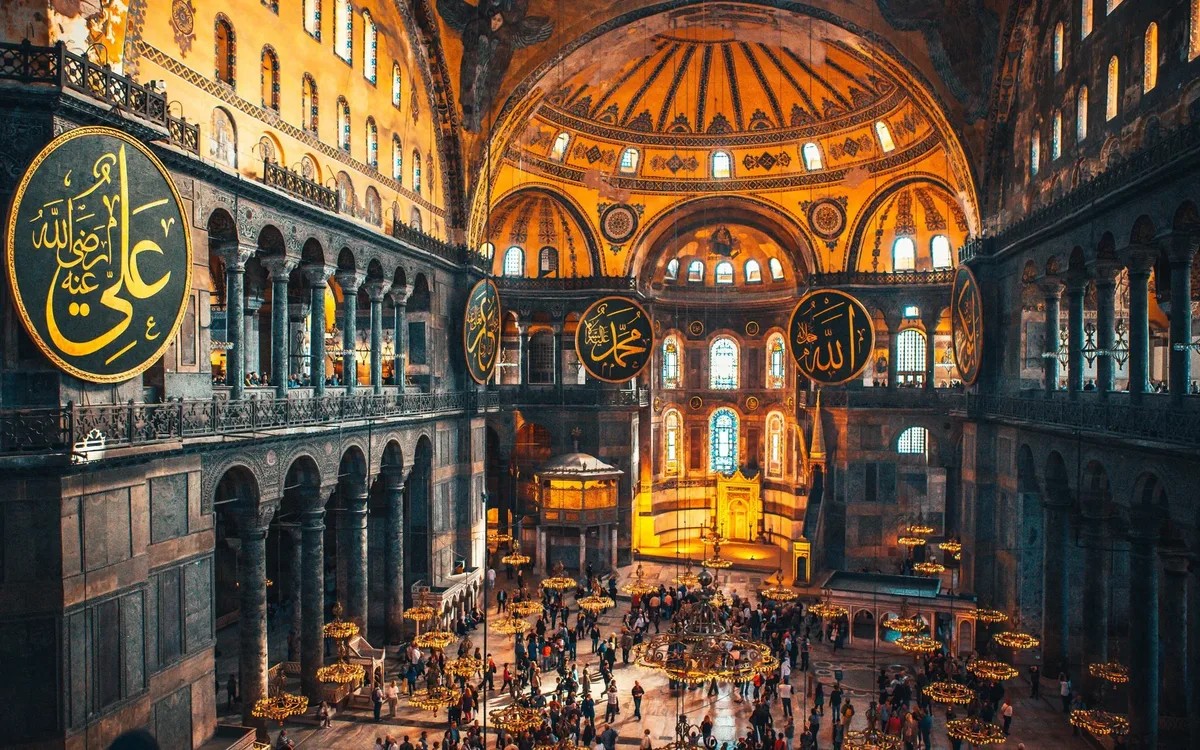
Its massive dome was an engineering marvel of its time, appearing to float above the structure with surprising lightness. Inside, the space feels vast yet intimate, with light filtering through windows that soften the scale.
What makes Hagia Sophia unique is not just its architecture, but the coexistence of cultures within its walls. Christian mosaics and Islamic calligraphy exist side by side, telling a story of transition rather than replacement.
Standing inside, it becomes clear that this is not simply a monument. It is a record of time, belief, and power.
Visiting Hagia Sophia is less about checking a landmark and more about understanding the city.