There are landmarks you photograph — and there are those that define how you understand an entire city. Christ the Redeemer belongs to the latter.
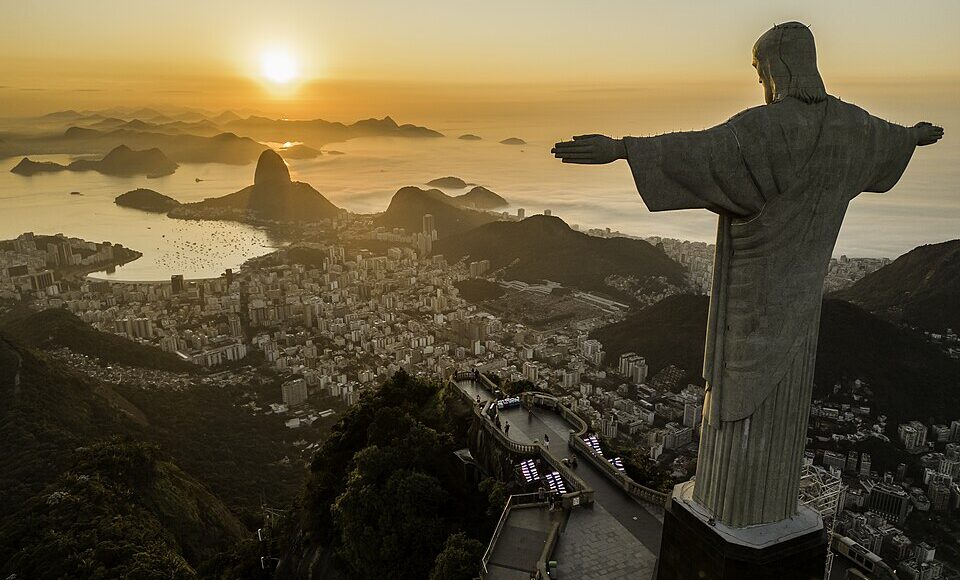
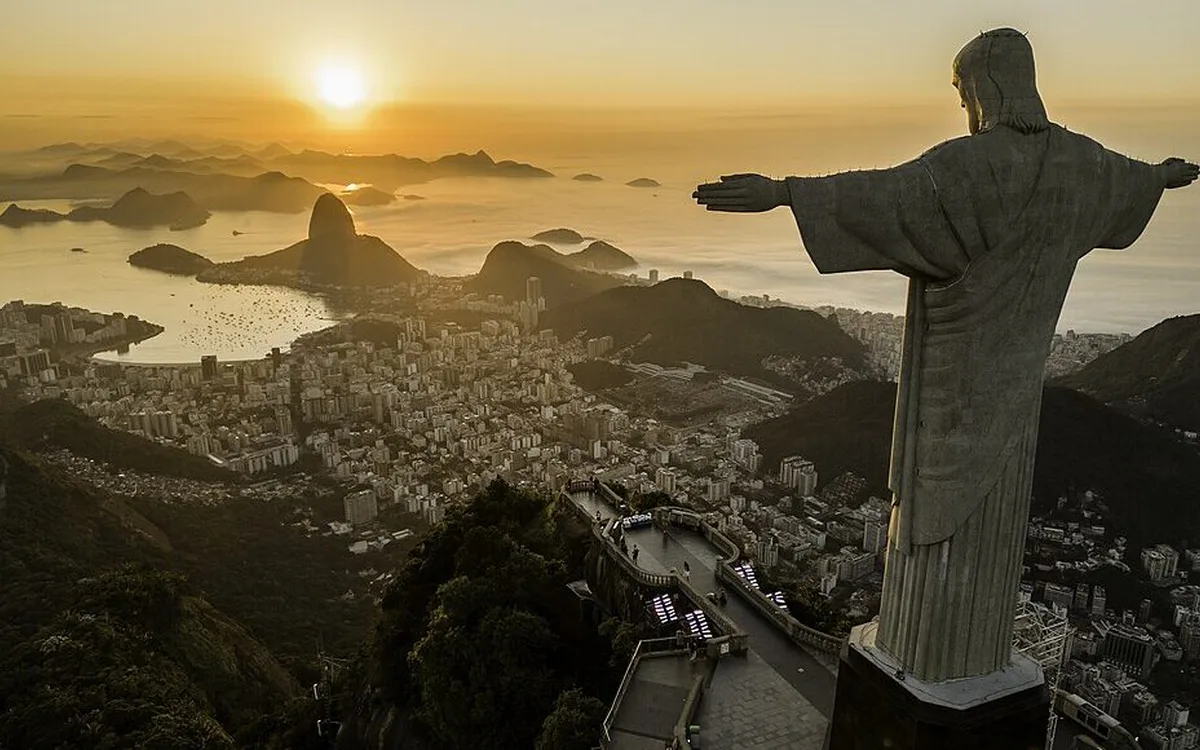
Perched atop Corcovado Mountain at 710 meters above sea level, the monument is less about scale and more about position. From here, Rio unfolds with clarity: the coastline tracing perfect arcs, granite peaks rising dramatically, and the city weaving itself between nature and urban life.
Completed in 1931, the statue stands as both a cultural and visual symbol. Its Art Deco design is remarkably restrained, allowing the surrounding landscape to remain the true focus. Rather than dominating the scene, it frames it.
Reaching the summit is part of the experience. The most refined route is the historic train departing from Cosme Velho, crossing through Tijuca National Park — one of the largest urban rainforests in the world. As the ascent progresses, the city gradually disappears into dense vegetation before revealing itself again at the top.
Timing is essential. Early mornings offer softer light and fewer crowds, while late afternoons bring a cinematic atmosphere. Clear skies are crucial, as cloud cover can completely obscure the view.
At the summit, the perspective changes everything. What once seemed like separate neighborhoods becomes a cohesive landscape shaped by geography. Mountain, ocean, and city reveal their relationship with striking clarity.
Christ the Redeemer is not just a monument. It is the point from which Rio finally makes sense.